
, , , ,

ATTN Attorneys: Cybersquatting and What You Can Do to Stop It (Part 2)

September 6, 2013
By epic
Continuing from Cybersquatting and What You Can Do to Stop It (Part 1), the following provides some additional information regarding the practice of cybersquatting. While Part 1 of this blog focused on defining what cybersquatting is and how you can recognize it, here in Part 2, we will concentrate on discussing what you can do […]
ATTN Attorneys: Cybersquatting and What You Can Do to Stop It (Part 2)
The Anticybersquatting Consumer Protection Act and ICANN have provisions that can help trademark owners combat cybersquatting and obtain the URL related to their trademark.

Continuing from Cybersquatting and What You Can Do to Stop It (Part 1), the following provides some additional information regarding the practice of cybersquatting. While Part 1 of this blog focused on defining what cybersquatting is and how you can recognize it, here in Part 2, we will concentrate on discussing what you can do to combat cybersquatting.

Although cybersquatting is not necessarily an illegal practice, it is unethical, and there are two ways that you can go about combatting it and obtaining the URL associated with the trademark that you own. These methods involve:

  • Suing the cybersquatter by use of the Anticybersquatting Consumer Protection Act (ACPA): According to the ACPA, the owner of a trademark can sue a cybersquatter in federal court to try to obtain the domain name related to that trademark. To win such a lawsuit, the plaintiff (i.e., owner of the trademark) must prove that:
    • The cybersquatter has intentionally acted in bad faith in trying to profit off of the trademark.
    • The trademark had a unique distinction when the URL was initially registered.
    • The URL is the same as or remarkably similar to the trademark.
    • The trademark is protected by U.S. federal laws.
  • Using ICANN’s international arbitration system: In this method of combatting cybersquatting, the trademark owner can initiate arbitration against the cybersquatter if:
    • The URL is the same as the trademark name or remarkably similar to it.
    • The cybersquatter has no legitimate interests in the URL, aside from profiting off of the trademark.
    • The URL has been registered, and it can be proven that it is being used in bad faith.

From the Blog

Latest Insights forLaw Firm Growth.

View All Articles →
Building Authority with Long-Form Legal Content
September 4, 2026

Building Authority with Long-Form Legal Content

A potential client searching for an attorney often has more than a simple question. They may be trying to understand what happens after a car accident, whether they have grounds for divorce, how a criminal charge could affect their future, or what options are available after a workplace injury. Law firms that provide detailed, useful […]
Read Article →
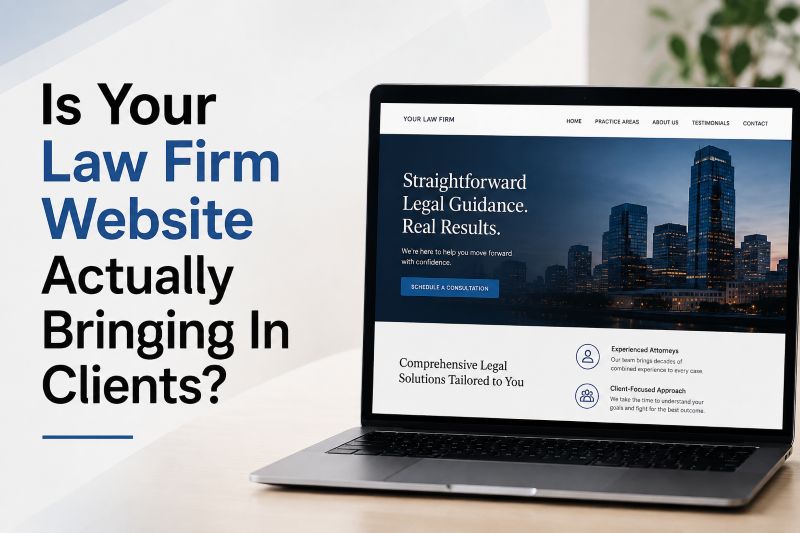
Is Your Law Firm Website Actually Bringing In Clients?
August 28, 2026

Is Your Law Firm Website Actually Bringing In Clients?

Your law firm’s website is often the first meaningful interaction a potential client has with your practice. Before someone calls your office or schedules a consultation, they may already be forming an impression based on your website’s design, content, usability, and professionalism. A strong attorney website should do more than look good. It should reflect […]
Read Article →
How to Choose the Right Law Firm Marketing Agency 
August 20, 2026

How to Choose the Right Law Firm Marketing Agency 

Choosing a law firm marketing agency requires looking beyond polished reports and big promises. Your marketing partner should be able to explain how qualified leads are tracked, how competitive legal keywords are approached, and how individual marketing efforts contribute to your firm’s larger goals. Effective legal marketing also requires coordination. SEO, PPC, website design, and […]
Read Article →
How Much Content Does a Law Firm Website Really Need?
,
August 10, 2026

How Much Content Does a Law Firm Website Really Need?

When law firms invest in digital marketing, one question often comes up early: How much website content do we actually need? There is no universal word count or number of pages that guarantees results. A Denver law firm needs enough high-quality content to explain its services, establish credibility, answer prospective clients' questions, and create opportunities […]
Read Article →
1 2 3 130

What Law Firms Are Saying

What Our Clients Say

Our Clients. Real Results.

Ready to Grow Your Firm's Rankings and Visibility?

Let's create a focused strategy that drives qualified traffic, case inquiries, and measurable growth for your practice.
linkedin facebook pinterest youtube rss twitter instagram facebook-blank rss-blank linkedin-blank pinterest youtube twitter instagram