
, , , ,

ATTN Attorneys: Cybersquatting and What You Can Do to Stop It (Part 2)

September 6, 2013
By epic
Continuing from Cybersquatting and What You Can Do to Stop It (Part 1), the following provides some additional information regarding the practice of cybersquatting. While Part 1 of this blog focused on defining what cybersquatting is and how you can recognize it, here in Part 2, we will concentrate on discussing what you can do […]
ATTN Attorneys: Cybersquatting and What You Can Do to Stop It (Part 2)
The Anticybersquatting Consumer Protection Act and ICANN have provisions that can help trademark owners combat cybersquatting and obtain the URL related to their trademark.

Continuing from Cybersquatting and What You Can Do to Stop It (Part 1), the following provides some additional information regarding the practice of cybersquatting. While Part 1 of this blog focused on defining what cybersquatting is and how you can recognize it, here in Part 2, we will concentrate on discussing what you can do to combat cybersquatting.

Although cybersquatting is not necessarily an illegal practice, it is unethical, and there are two ways that you can go about combatting it and obtaining the URL associated with the trademark that you own. These methods involve:

  • Suing the cybersquatter by use of the Anticybersquatting Consumer Protection Act (ACPA): According to the ACPA, the owner of a trademark can sue a cybersquatter in federal court to try to obtain the domain name related to that trademark. To win such a lawsuit, the plaintiff (i.e., owner of the trademark) must prove that:
    • The cybersquatter has intentionally acted in bad faith in trying to profit off of the trademark.
    • The trademark had a unique distinction when the URL was initially registered.
    • The URL is the same as or remarkably similar to the trademark.
    • The trademark is protected by U.S. federal laws.
  • Using ICANN’s international arbitration system: In this method of combatting cybersquatting, the trademark owner can initiate arbitration against the cybersquatter if:
    • The URL is the same as the trademark name or remarkably similar to it.
    • The cybersquatter has no legitimate interests in the URL, aside from profiting off of the trademark.
    • The URL has been registered, and it can be proven that it is being used in bad faith.
From the Blog

Latest Insights forLaw Firm Growth.

View All Articles →
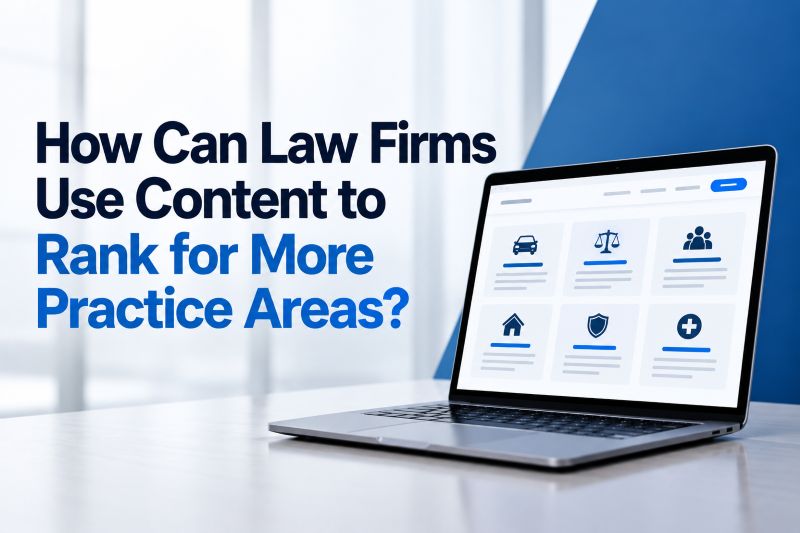
How Can Law Firms Use Content to Rank for More Practice Areas?
October 21, 2026

How Can Law Firms Use Content to Rank for More Practice Areas?

A law firm may offer excellent representation across several practice areas but struggle to appear in Google search results for anything beyond its primary service. For example, a personal injury firm might rank well for car accident searches while receiving little organic traffic for truck accidents, motorcycle accidents, or wrongful death cases. In many situations, […]
Read Article →
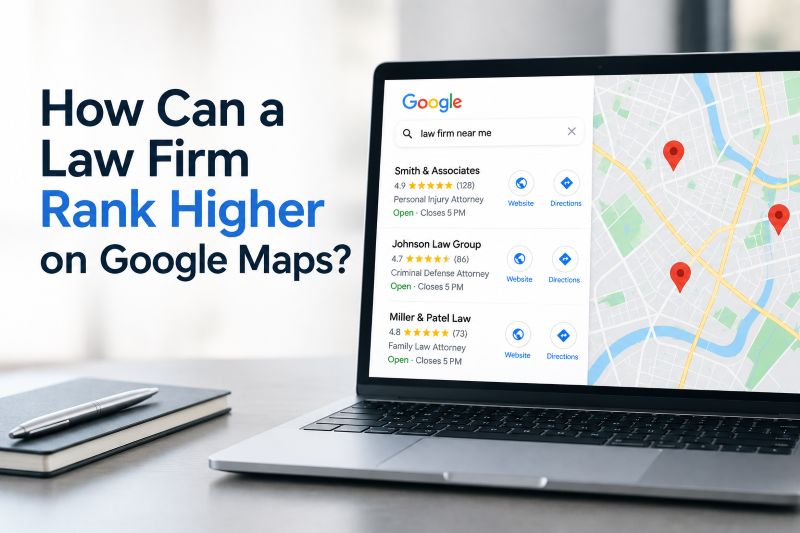
How Can a Law Firm Rank Higher on Google Maps?
October 7, 2026

How Can a Law Firm Rank Higher on Google Maps?

When someone needs legal representation, one of their first steps is often searching Google for an attorney in their area. Whether they search for a personal injury lawyer, divorce attorney, or criminal defense lawyer, Google Maps frequently displays local law firms near the top of the search results. For attorneys competing in Denver and other […]
Read Article →
Law Firm SEO Is Not About Chasing Rankings
,
September 24, 2026

Law Firm SEO Is Not About Chasing Rankings

Law firm SEO is not simply about getting to the top of Google. A high ranking has limited value if it attracts the wrong audience or fails to generate meaningful inquiries. The real goal is to help potential clients find your law firm when they are actively searching for the legal services you provide. At […]
Read Article →
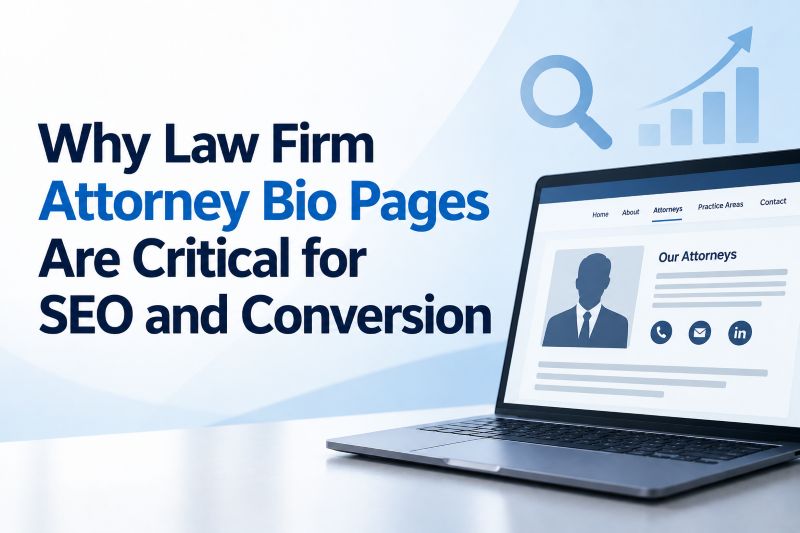
Why Law Firm Attorney Bio Pages Are Critical for SEO and Conversion
September 17, 2026

Why Law Firm Attorney Bio Pages Are Critical for SEO and Conversion

When prospective clients visit a law firm website, they are not only evaluating the firm's practice areas. They are deciding whether they trust a specific attorney with a legal problem that may affect their finances, family, freedom, business, or future. That makes attorney bio pages some of the most important pages on a law firm […]
Read Article →
1 2 3 … 131

What Law Firms Are Saying

What Our Clients Say

Our Clients. Real Results.

Ready to Grow Your Firm's Rankings and Visibility?

Let's create a focused strategy that drives qualified traffic, case inquiries, and measurable growth for your practice.
linkedin facebook pinterest youtube rss twitter instagram facebook-blank rss-blank linkedin-blank pinterest youtube twitter instagram